
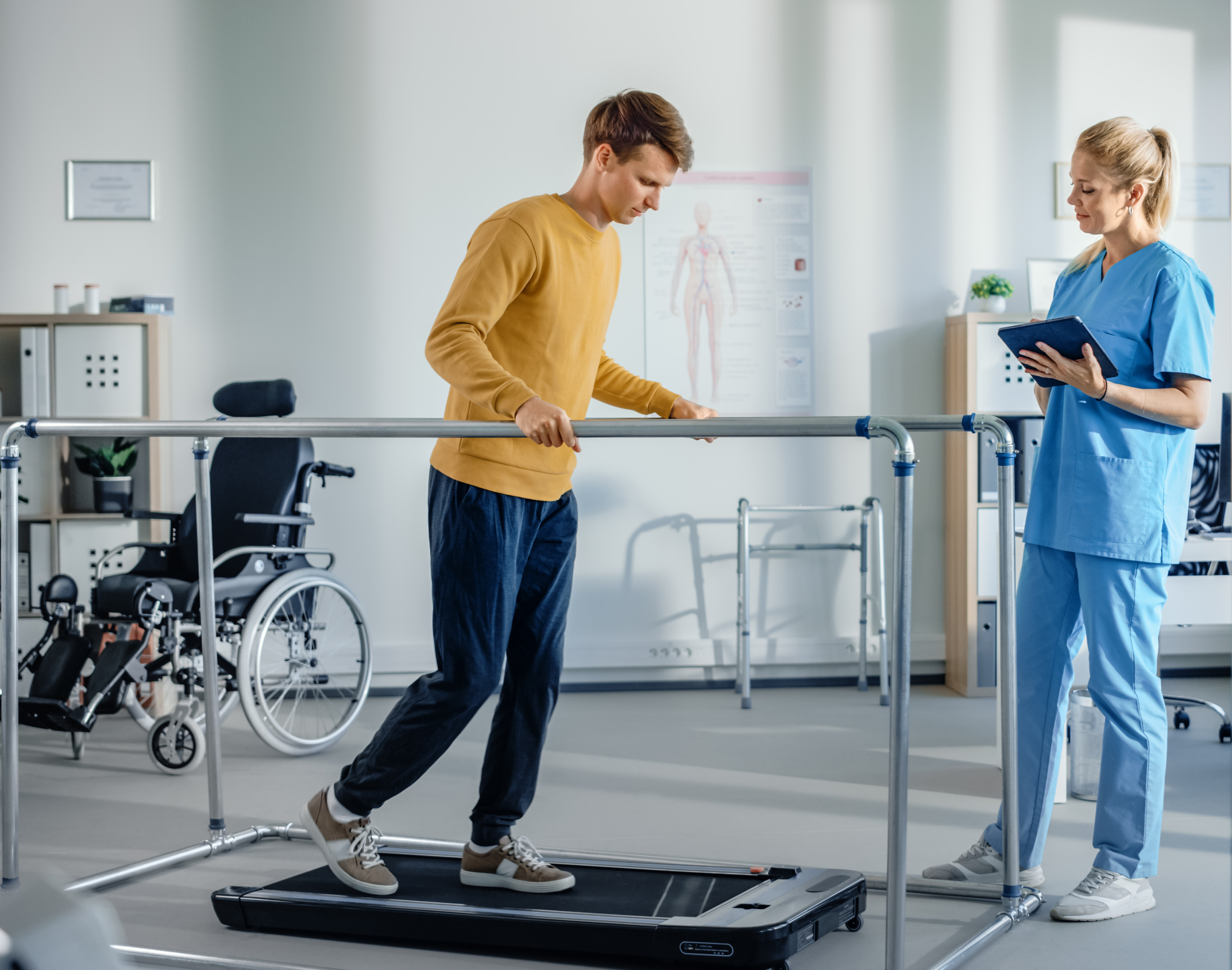
Is Our Post-Surgical Rehab Approach Right for You?
Our advanced post-surgical rehabilitation is ideal for patients who have undergone or are planning to undergo orthopedic surgical procedures.
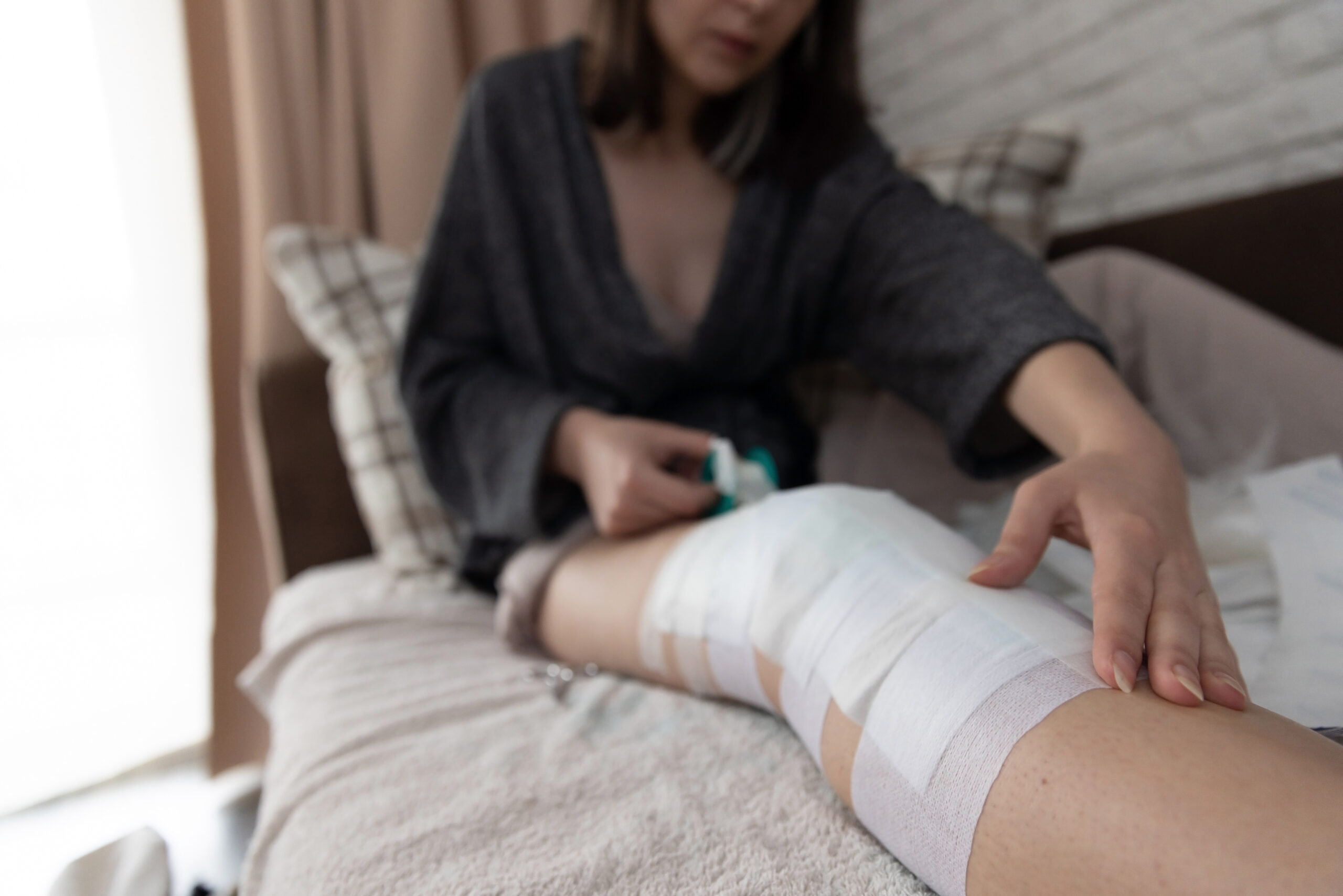
Our Specializations
Pre and post surgical Rehabilitation of ACL reconstructions, meniscal repairs, joint preservation surgeries, rotator cuff repairs, SLAP repairs, shoulder stabilization procedures, ankle reconstructive procedures, and other arthroscopic interventions
Our USP
Our USP In pre- and post-surgical rehabilitation for arthroscopic procedures, we take a comprehensive approach by considering the injury, surgical technique, donor site, and any associated injuries. Our rehabilitation programs are carefully designed based on the tissue healing response, functional demands, and the patient’s specific recovery and performance goals.
Recovery Timeline
Our individualized approaches often accelerate traditional recovery timelines while ensuring tissue safety and optimal healing
Age Considerations
Our programs are customized based on patient age groups, with personalized protocols adjusted for individual healing capacity and biological factors
Goals
Perfect for patients seeking not just basic recovery but comprehensive restoration of function with minimal risk of re-injury
Visit our clinic for a comprehensive evaluation to determine the optimal rehabilitation program for your specific needs.
The Science Behind Our Post-Surgical Approach
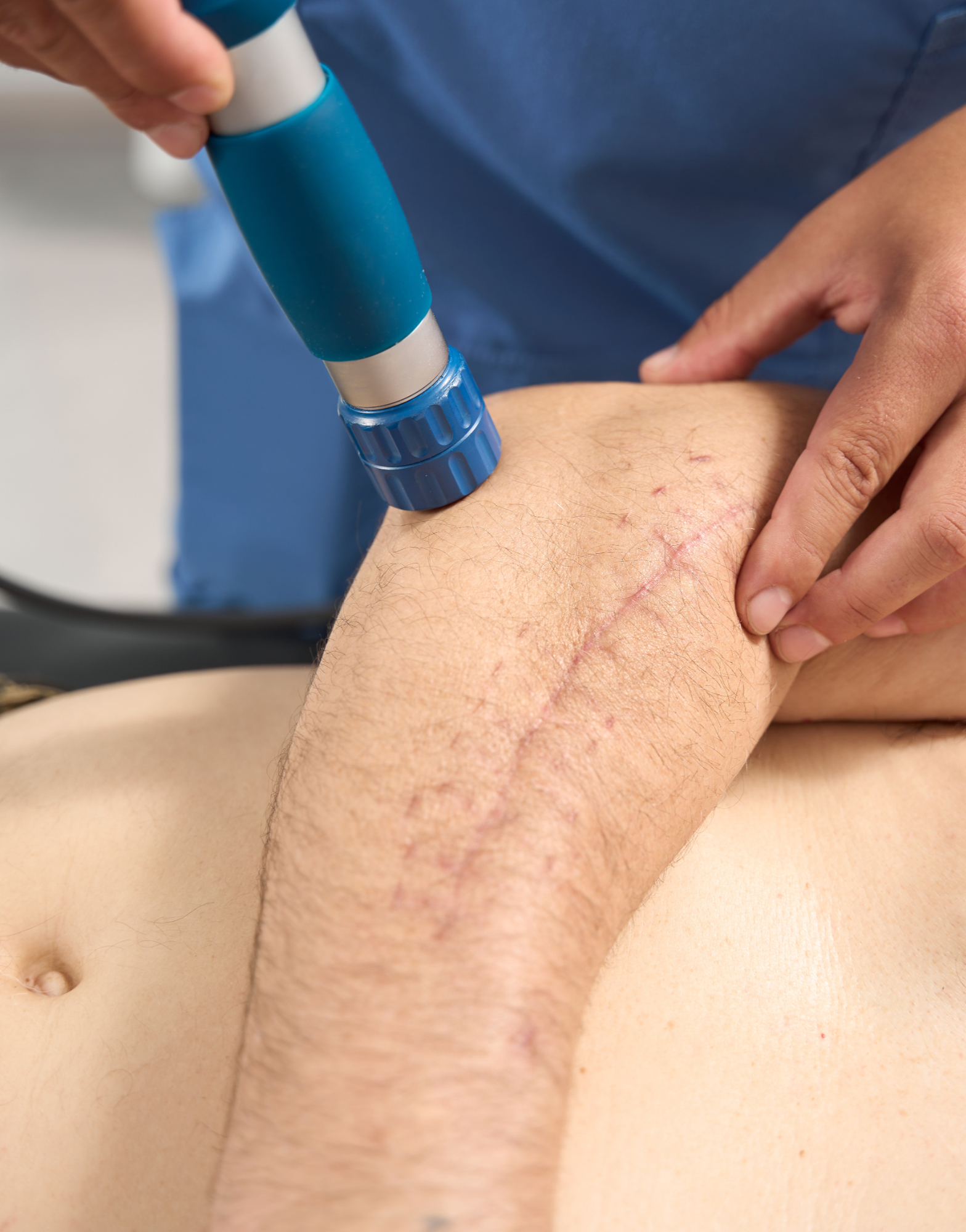
Our post-surgical rehabilitation integrates pioneering research with clinical expertise to transform standard protocols into individualized, criteria-based programs. Our work in sports medicine, arthroscopy, and rehabilitation—published in international journals—informs our advanced understanding of joint biomechanics and tissue loading responses.
Surgical Assessment:
Detailed analysis of specific surgical techniques and procedural variations used in your case
Tissue-Specific Programming:
Rehabilitation designed around the healing timeline and properties of your repaired or reconstructed tissues
Biomechanical Precision:
Careful calculation of stress and load responses for each prescribed exercise
Progressive Integration:
Strategic movement and load progression hierarchy tailored to tissue healing stages
Individualized Adaptation:
Continual adjustment of protocols based on your specific goals and individual response variables
Functional Milestone Achievement:
Criteria-based advancement through rehabilitation phases, ensuring tissue readiness before progression
Hear what our customers have to say!
M
Mohit Gupta
In January 2022, a collision while playing football resulted in me suffering 3 ligament tears in my ankle, change in alignment of my ankle bones and a fracture in my shin bone. I underwent an extensiv...
Show More
V
Vijayaraghavan S
My dad aged 84 underwent total knee replacement Procedure post which he did his rehab physio at Movementology. Ajay, the very amenable physio there took care of my dad's rehab and he was very diligent...
Show More

Siju Thomas
Very good experience. I was able to recover my tripple tender shoulder surgery in 6 months. The exercises are very effective and less stressful. The physios are highly skilled and very friendly. Keep ...
Show More

Sanjay Suresh
I underwent meniscal surgery on my left knee, and two months later, I could barely walk on my own. I consulted the Movementology Clinic, where Dr. Padmanabhan sir assessed my condition and recommended...
Show More
U
Udit Oberoi
Condition:Soft tissue bankart lesions post surgery. Had a very good experience. Underwent bankart lesion surgery on my shoulder post which I had two unsuccessful attempts at returning to playing badmi...
Show More
D
Deepa Pariyangat
After a complete ACL reconstruction, partial MCL reconstruction and meniscal repair, Mr. Padmanabhan was the only person who helped me rehab and got me back to playing badminton at club, state and nat...
Show More
S
Sonu A
Actually it was an amazing experience. The therapists were completely professional and the sessions was very useful. Thanks Mr. Ajay for your complete guidance. Actually my clavicle was detached from ...
Show More
G
Gaurav Patil
I came here for my post ACL Surgery Rehab in March 2023. For my Physiotherapy I was assisted by Mr. Pandian. It has been 6 months now and my recovery has been great. The place is well equipped and has...
Show More
T
Thiagarajan Trichy
Great work by Dr. Padmanabhan and his team. We were going for my son's ACL tear post surgery and Aaron did a great job in scheduling appointments for him and treating him for almost a year for his reh...
Show More
Our Post-Surgical Rehabilitation Programs
Joint Preservation Surgery Rehabilitation
Cartilage repair procedures, osteotomies, and other joint preservation surgeries require particularly precise rehabilitation approaches. Our programs are designed around the biological healing timelines of specific tissues while optimizing the joint environment for healing. We implement specialized unloading strategies, precisely controlled weight-bearing progression, and tissue-specific loading protocols to maximize surgical outcomes and extend joint longevity.
Meniscal Repair Rehabilitation
Meniscal tears and their repairs require specialized rehabilitation approaches based on tear location, repair technique, and individual healing capacity. Our program carefully balances tissue protection with progressive loading to promote healing while preventing stiffness and muscle atrophy. We utilize precise weight-bearing progression protocols and targeted exercises that load the meniscus appropriately at each healing stage, optimizing both structural and functional outcomes.
ACL Reconstruction Rehabilitation
Our ACL reconstruction rehabilitation integrates knowledge of graft biology, biomechanical considerations, and progressive strength development. We employ advanced technologies including blood flow restriction training, movement analysis systems, and proprioceptive training tools to ensure optimal graft incorporation and full functional restoration. Our criteria-based approach ensures you don't progress to higher-risk activities until specific strength, stability, and movement quality benchmarks are achieved.
Shoulder Stabilization Rehabilitation
Following Bankart repairs, SLAP repairs, or other stabilization procedures, our rehabilitation focuses on the delicate balance between mobility restoration and stability preservation. Our programs integrate neuromuscular control exercises, progressive range-of-motion protocols, and targeted strengthening of the dynamic stabilizers. We utilize advanced biofeedback systems to retrain optimal shoulder mechanics and scapular control patterns essential for long-term stability.
Rotator Cuff Repair Rehabilitation
Rotator cuff surgery outcomes are highly dependent on quality rehabilitation. Our approach considers tear size, tissue quality, repair technique, and patient-specific variables to create a customized program. We implement controlled passive motion, gradual active motion introduction, and progressive resistance training at precisely the right intervals to encourage healing without compromising the repair. Advanced shoulder mechanics assessment ensures balanced muscle function throughout recovery.
Ankle Reconstruction Rehabilitation
Ankle reconstruction and stabilization procedures demand comprehensive rehabilitation addressing joint mobility, proprioception, and progressive functional capacity. Our programs systematically restore ankle range of motion, rebuild intrinsic foot strength, and progressively challenge stability systems through proprioceptive training. Advanced gait retraining and sport-specific movement progression ensure complete functional restoration and reduced re-injury risk.
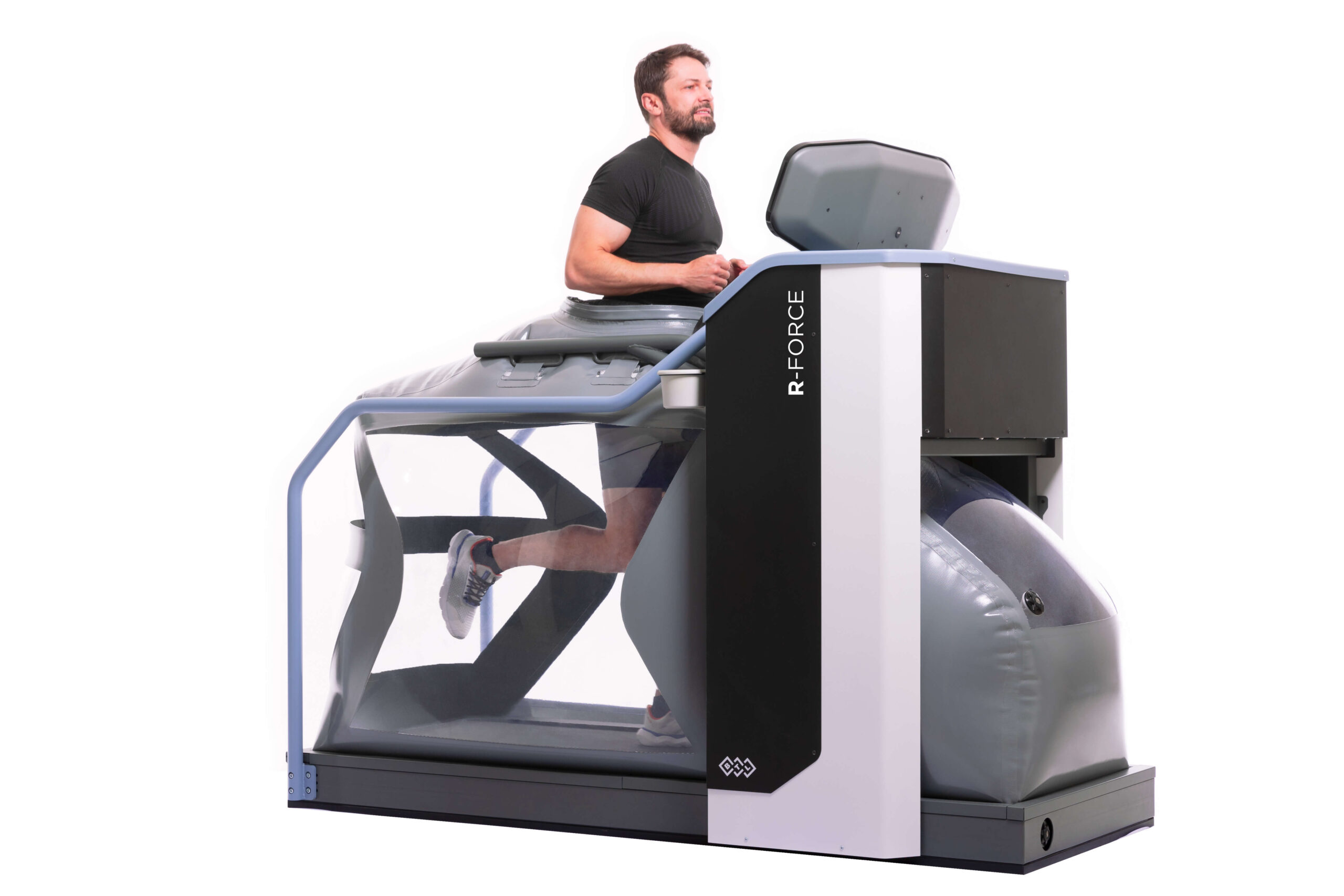
Frequently asked questions
Advanced Orthopedic Rehabilitation combines cutting-edge techniques and technologies to accelerate recovery from orthopedic injuries and surgeries. It focuses on joint health and joint longevity by utilizing non-surgical rehab methods to restore function and reduce pain.
Regenerative rehabilitation is an advanced approach to healing that stimulates the body’s natural repair mechanisms, using cutting-edge technologies to accelerate recovery and promote cellular-level tissue restoration. Unlike traditional treatments that merely manage symptoms, our approach targets the root cause of injury and triggers comprehensive healing.
We use a comprehensive approach that goes beyond basic recovery milestones. Our determination includes sport-specific functional testing, strength and power measurements, psychological readiness assessments, and performance metrics compared to pre-injury baselines. We evaluate not just if you can perform movements, but if you can perform them with proper technique, adequate power, and appropriate neuromuscular control under fatigue conditions. Only when athletes meet all these criteria do we clear them for competitive play.
This approach can benefit a wide range of orthopedic injuries and conditions, including:
- Sports injuries
- Fractures
- Ligament tears
- Joint replacements
- Tendon injuries
- Cartilage damage
- Osteoarthritis
This includes athletes, individuals with persistent pain, post-surgical patients, and those dealing with joint or soft tissue injuries.
Our protocols are distinguished by their sport-specific customization, integration of advanced technology for objective measurement, psychological readiness emphasis, and progressive exposure to sport-specific scenarios. Unlike standard protocols that use general timelines, we utilize data-driven decision making based on individual response to create truly personalized return pathways. We also maintain ongoing monitoring even after return to competition to ensure sustainable performance.
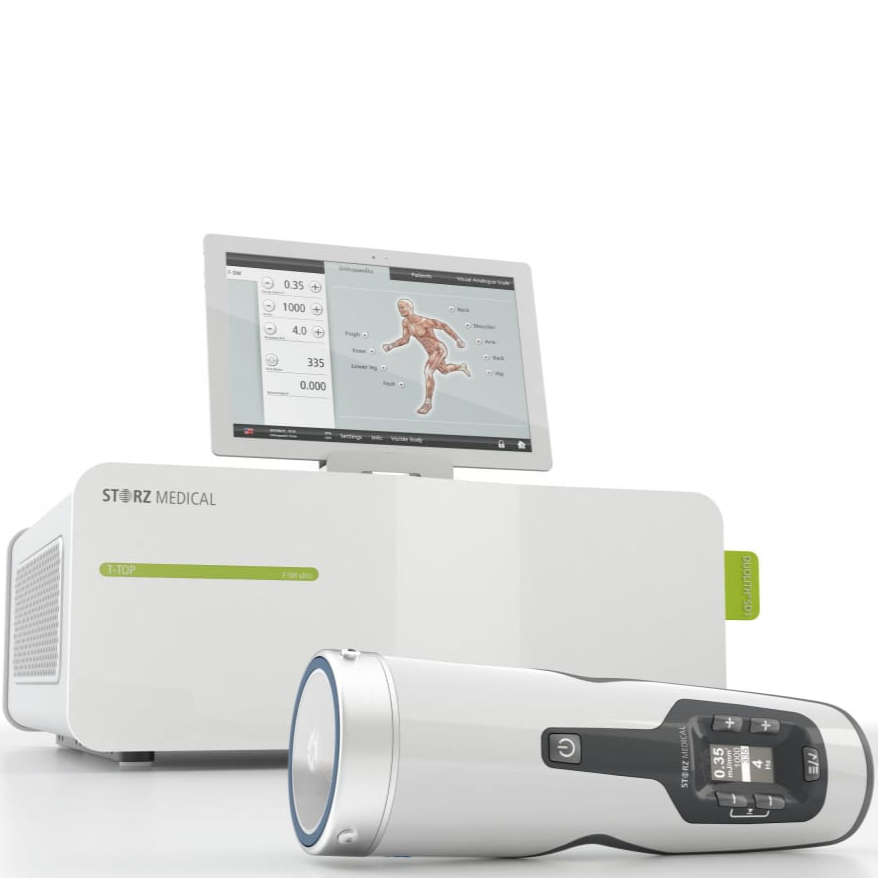
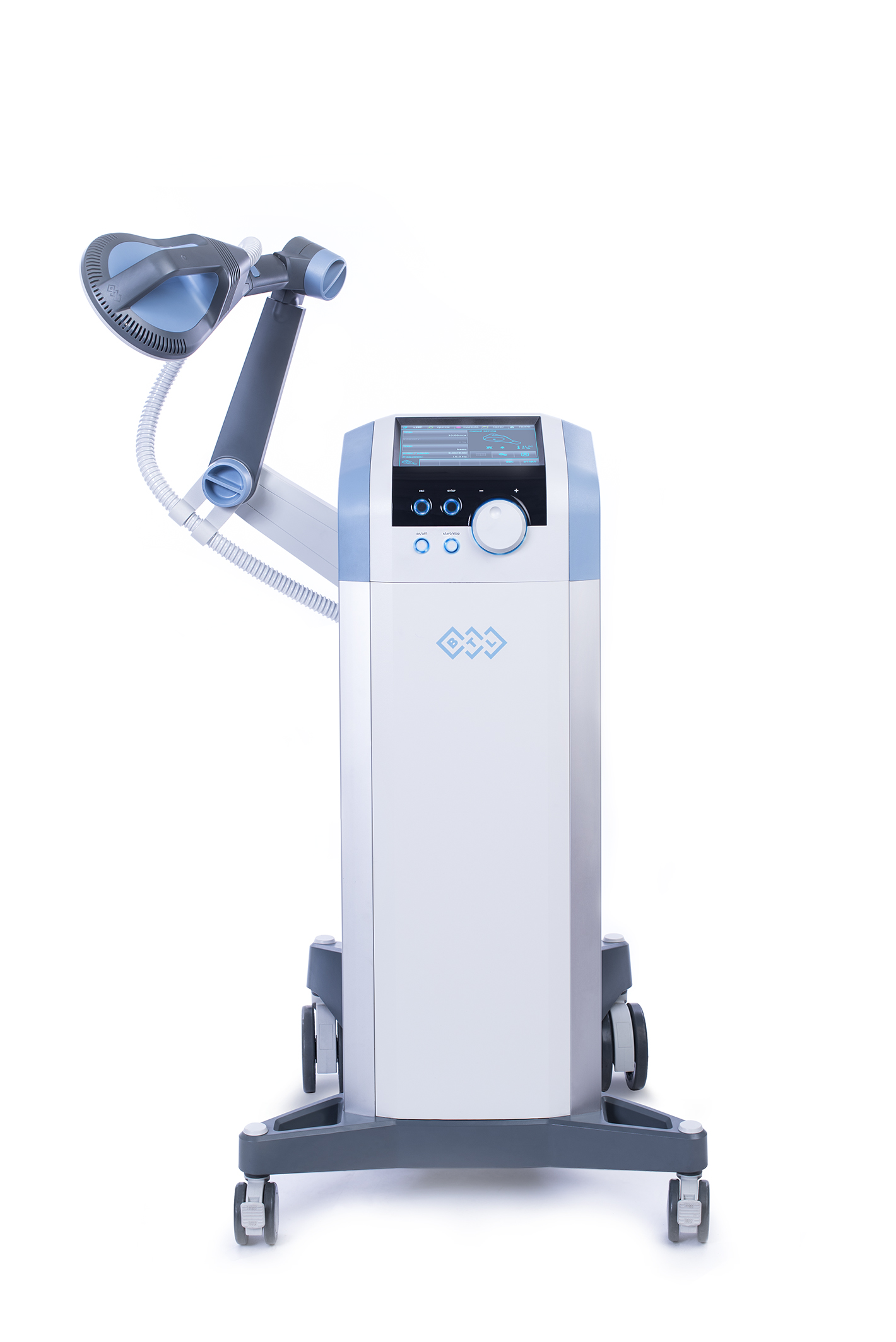
Unlike conventional physical therapy that focuses primarily on restoring movement and function, regenerative rehabilitation integrates advanced technologies that actively stimulate cellular repair processes. Our approach combines specialized equipment like PEMF therapy and Focal Shockwave with precisely calibrated exercise protocols to create the optimal biological and mechanical environment for tissue regeneration, not just recovery of function. This leads to more comprehensive healing and potential reversal of degenerative conditions.
Treatment duration varies depending on the specific condition and individual patient needs. Typically, a session ranges from 30-60 minutes, with a comprehensive treatment plan involving multiple sessions spread over weeks or months.
Yes. Our regenerative rehabilitation techniques are backed by extensive clinical research and ongoing scientific studies. We utilize evidence-based technologies that have demonstrated significant improvements in healing rates, pain reduction, and functional restoration.
Yes, athletes with complex injury histories are a specialty of our practice. We conduct comprehensive movement analysis to identify underlying movement patterns that may contribute to recurring injuries. Our approach addresses not just the symptomatic area but the entire kinetic chain and movement system. We develop integrated strategies that restore movement quality while building tissue resilience and motor control to break the injury cycle.
Advanced orthopedic and regenerative rehabilitation can help athletes recover faster and return to their sport with optimal performance. Our specialized programs focus on strength, power, agility, and endurance training to ensure a safe and effective return to play.
Most patients report minimal discomfort. Our advanced technologies are designed to be non-invasive, with many treatments feeling like mild pressure or tingling sensations. We prioritize patient comfort and can adjust treatment protocols accordingly.
Coverage varies by insurance provider. Our administrative team can help verify your specific coverage and discuss potential payment options or financial plans.
A session may involve a combination of:
- Therapeutic exercises
- Manual therapy techniques
- Advanced modalities
Your therapist will tailor the treatment plan to your specific needs and goals.
Unlike standard “one-size-fits-all” protocols, our approach is individualized based on specific surgical techniques used, tissue quality, and patient variables. We integrate advanced technologies like blood flow restriction training and movement analysis with criteria-based progression rather than time-based protocols. This means you advance through rehabilitation phases when your tissues and function demonstrate readiness, not simply when a certain number of weeks have passed, resulting in safer, more effective outcomes.
Optimal rehabilitation begins before surgery with pre-surgical conditioning when possible. Post-surgically, the precise timing depends on your procedure, with some beginning within 24-48 hours while others require brief protective periods. Early intervention focuses on minimizing complications like excessive swelling, preserving adjacent joint mobility, and maintaining muscle activation. Starting rehabilitation at the appropriate time is crucial for tissue healing optimization while preventing complications like excessive stiffness or muscle atrophy.
Most patients can achieve their previous functional level or better following appropriate surgery and high-quality rehabilitation. Success depends on several factors including pre-surgical condition, surgical technique, tissue quality, commitment to rehabilitation, and individual healing capacity. Our comprehensive approach maximizes your potential by addressing not just the repaired structure but the entire kinetic chain and movement patterns. For athletes, we implement sport-specific training to ensure complete functional restoration.
Yes, regenerative rehabilitation often works synergistically with other medical treatments. It can be effectively combined with appropriate medications, nutritional interventions, and in some cases, minimally invasive procedures. For post-surgical patients, our regenerative protocols can significantly enhance recovery and outcomes. Our team coordinates with your other healthcare providers to ensure a comprehensive and cohesive treatment approach. Each combined treatment plan is carefully designed to maximize benefits while avoiding potential conflicts.